


Will ants kill your compost worms? In most cases, no – but they can, and here’s when. Common ants mostly eat dead worms and leftover food scraps. But a large aggressive colony, especially fire ants, can stress your worms badly enough to drive them out or kill them.
The bigger problem is what ants tell you about your bin. Their presence is a signal that conditions have shifted in the wrong direction – usually too dry, too acidic, or too exposed.
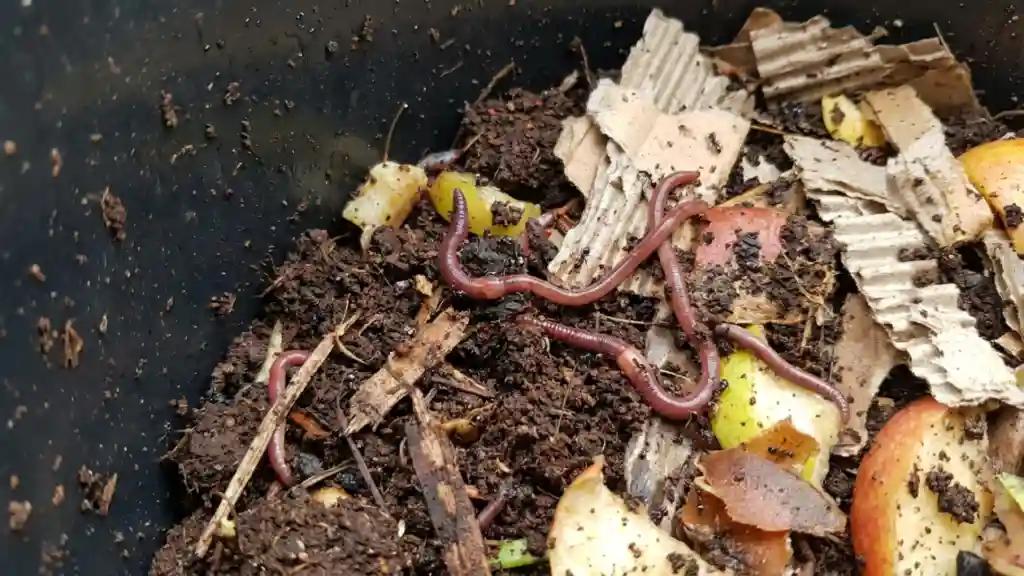
Fix those conditions and the ants sort themselves out. Ignore them and your worm population will suffer.
Here’s exactly what’s happening in your bin and how to fix it.
Do Ants Actually Harm Compost Worms?
It depends on the species and the situation.
Most common ants – black garden ants, pavement ants – are opportunists. They’ll eat dead worms, unburied food, and sugary scraps. They’re not hunting your live worms. In small numbers, they’re essentially harmless.
The situation changes with fire ants or large aggressive colonies. These can attack live worms, especially if the worm population is already stressed and weakened.
If you’re seeing worms clustered at the bin walls, piling near the lid, or trying to escape – that’s a stress response. Your worms are reacting to something: ant activity, bad conditions, or both.
Watch your worms. Their behavior tells you more than any checklist.
Also Read: Signs Your Worm Bin is Unhealthy
Why Ants Enter Your Worm Bin in the First Place
Most articles stop at “ants like dry conditions.” That’s true but incomplete.
There are three root causes:
1. The bin is too dry. Ants prefer dry environments. Worms need moisture. When the bin dries out, you’re essentially making it hospitable for ants and hostile for worms at the same time.
2. The bin is too acidic. Ants are drawn to acidic environments. If you’ve been adding a lot of citrus peels, coffee grounds, or protein scraps without enough carbon balance, your bin pH may have dropped. Worms hate acidic conditions too — so you could be losing on both fronts.
3. The bin is accessible and near an ant trail. If your bin sits directly on soil close to an existing ant colony, no amount of moisture management will fully stop them from exploring it.
Fix the root cause, not just the symptom.
7 Fixes That Actually Work
1. The Water Moat – Most Effective, Least Mentioned
Place each leg of your worm bin inside a small container or tray filled with water. Ants cannot cross water. This is a permanent physical barrier that costs almost nothing and beats every other method for bins with legs.
If your bin sits flat on the ground, elevate it on bricks or a stand and use the moat method. This one fix alone can end recurring ant problems.
2. Fix the pH First
Crushed eggshells or a small amount of garden lime added to the bin raises the pH and makes the environment hostile to ants. This also helps your worms, which prefer a neutral to slightly alkaline environment.
Don’t add lime excessively — a light dusting every couple of weeks is enough. Eggshells are even gentler and also provide calcium for your worms.
According to Illinois Extension’s vermicomposting guide, coffee grounds and citrus peels are two of the most common culprits behind acidic worm bins – both should be added sparingly and always balanced with carbon-rich bedding.
3. Moisture – But Do It Right
Keep the bedding as moist as a wrung-out sponge. Too wet causes other problems – including anaerobic conditions that cause ammonia buildup and bad smells. Too dry invites ants.
When you add moisture, do it gradually and evenly. Dumping water in one spot doesn’t help. Spray or sprinkle across the top layer so the whole bin benefits.
4. Know Which Foods Attract Ants
Not all food scraps carry the same risk. These draw ants faster than anything else:
- Sweet fruits (mango, banana, melon)
- Sugary or sticky food residue
- Protein-heavy scraps left on the surface
- Citrus peels in large quantities (also acidify the bin)
Bury all food scraps under at least 2–3 inches of bedding. Never leave anything sitting on top. If you’re adding high-sugar fruit, chop it small and bury it deep.
5. Relocate or Elevate the Bin
If your bin is sitting on soil in the garden, you’re making it easy for ants to find and colonize. Move it to a hard surface — concrete, paving slabs, a wooden deck — and use the moat method. This removes the most direct ant access route.
Also check if your bin is near a known ant colony or trail. A 1–2 metre move can make a significant difference.
6. Disrupt and Aerate
Ants need an undisturbed environment to build a stable colony inside your bin. Regular turning and mixing disrupts any structure they’ve started to build. If you’ve been neglecting your bin for a few weeks (which is when most ant problems start), a thorough mix-up combined with re-moistening the bedding will push most ant colonies out within 24–48 hours.
7. Diatomaceous Earth — Use It Correctly
Diatomaceous earth (DE) sprinkled around the outside of the bin and along access points creates a barrier ants dislike crossing. The key word is “outside.” Don’t apply it inside the bin — it can harm your worms too.
It also loses effectiveness when wet, so reapply after rain. Use it as a secondary defense alongside moisture management and the moat, not as a standalone fix.
The Seasonal Pattern Nobody Warns You About
Ant invasions in worm bins aren’t random — they peak in hot, dry months. In summer, your bin dries out faster, ants are more active, and the two problems compound each other.
Don’t wait until you see ants. In late spring, before temperatures spike:
- Check and increase bin moisture
- Add a layer of fresh bedding to insulate
- Set up the water moat if you haven’t already
- Audit what food scraps you’ve been adding
Preventing a summer ant invasion takes 10 minutes. Dealing with an established colony takes much longer.
Common Mistakes People Make
Treating ants as the main problem. They’re a symptom. If you only kill or repel ants without fixing moisture and pH, they’ll be back.
Pouring water directly on ants. This temporarily disperses them but doesn’t change the conditions that attracted them. Within days, they return.
Using chemical ant killers near the bin. These will harm your worms. Stick to physical methods and environmental adjustments.
Ignoring worm behavior. If your worms are escaping or clustering, the bin has a problem — ants may be part of it, but check pH, temperature, and moisture too before assuming ants are the only cause.
Conclusion
Ants rarely kill compost worms directly – but they’re a clear sign your bin conditions are off. When you fix the real issues (dryness, acidity, accessibility), the ants leave on their own.
Start with the water moat and a pH check. Those two fixes alone solve the majority of ant problems in worm bins. Then audit your feeding habits and bin location, and you’ll have a setup ants won’t bother with.

Leave a Comment